


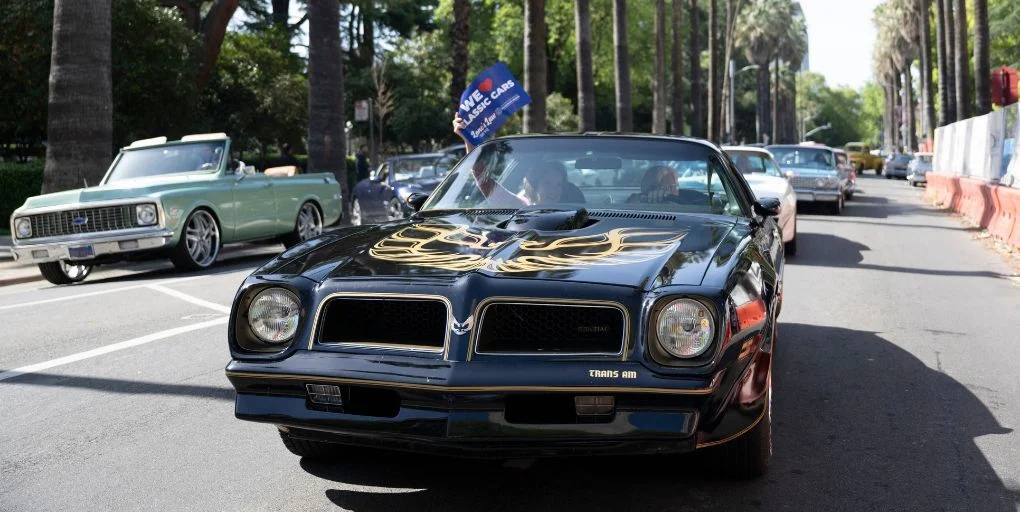
I was grabbing a coffee in North Park last weekend when I saw a guy polishing a beautiful 1979 Jeep CJ-7. We started talking, and the conversation immediately turned to the “smog wall.” For decades, if your car was a 1976 model or newer, you were trapped in the biennial testing cycle—no exceptions. But as we move through 2026, the legislative landscape in California is finally shifting for the “middle-aged” classics.
If you own a vehicle from that awkward 1976–1983 window, you’ve likely heard rumors about “Leno’s Law” (named after enthusiast Jay Leno). While the dream of a total rolling exemption is still a hot topic in Sacramento, the 2026 reality is a bit more nuanced. We are currently seeing the implementation of SB 712, which provides a specific path to freedom for historical vehicles that didn’t exist a few years ago.
Understanding the New “Historical” Exemption Path
The biggest change in 2026 isn’t a total disappearance of the smog check, but a change in how these cars are classified. Under the latest amendments, if your car is at least 35 model years old and you have it registered with Historical Vehicle plates, you may qualify for a significant reduction in testing requirements—provided you meet specific insurance criteria.
I’ve seen many San Diego owners move their 1980s weekend cruisers to “Collector” insurance policies. This isn’t just about lower premiums anymore; it’s a legal requirement to tap into the smog relief programs. By 2026, the state has refined the “Abbreviated Inspection” for these cars, moving away from the dreaded dynamometer (the “rollers”) and focusing on a basic functional check.
2026 Classic Car Smog Tiers
| Vehicle Era | Testing Requirement | The “Loophole” |
| Pre-1976 | Fully Exempt | None needed; enjoy the drive. |
| 1976 – 1983 | Biennial Smog | SB 712/Leno’s Law: Reduced visual if on Collector Insurance. |
| 1984 – 1999 | Full Tailpipe Test | Must find a station with working BAR-97 equipment. |
| 2000 & Newer | OBD-II Only | Fast, electronic-only check. |
If you are looking for a San Diego smog check for a 1970s or 80s car, call ahead. In 2026, many newer shops have actually phased out their older tailpipe machines. I recommend checking the industrial areas of National City or Escondido, where older shops still maintain the hardware needed for these classic tests.
The “Parts Locator” Lifeline: When the Part Doesn’t Exist
One of the most stressful parts of owning a 40-year-old car in San Diego is when a specific emissions part—like a Thermal Vacuum Switch or an early EGR valve—simply isn’t made anymore. In the past, this meant your car was “dead in the water.”
In 2026, the Smog Check Referee Parts Locator Service has become much more robust. I recently helped a neighbor with a 1981 Celica. He couldn’t find a replacement catalytic converter that met the new 2026 CARB standards. The Referee was able to issue a “Limited Parts Exemption.”
When to Call the Referee (1-800-622-7733)
- Obsolete Parts: You can prove the part is no longer manufactured or available.
- Engine Swaps: You put a 2015 LS engine into a 1982 chassis.
- Grey Market: You imported a 25-year-old car from Japan or Europe.
- Kit Cars: You are finishing an SB 100 build in your garage.
I’ve visited the Referee center at Miramar College several times. They are the “supreme court” of smog. If you have an unusual situation, don’t keep failing at regular shops. Spend the time to get a Referee appointment; it’s often the only way to get a permanent solution for a classic car.
San Diego Pricing Trends: Why 2026 Costs More
Let’s be honest: a smog check in San Diego isn’t as cheap as it used to be. Between rising labor costs and the maintenance on older testing equipment, prices at many Kearny Mesa and Mission Valley shops have hit the $60–$80 range.
However, because San Diego has one of the highest densities of smog stations in the state, you can still find a smog check discount if you’re willing to drive five minutes off the main road. I’ve noticed that shops in Chula Vista and El Cajon often stay more competitive, frequently offering coupons for $20 off for first-time customers.
Estimated 2026 Smog Costs (San Diego Average)
| Service Type | Standard Price | With Discount |
| 2000 & Newer (OBD) | $50.00 | $39.75 |
| STAR Station Test | $65.00 | $49.00 |
| Classic/Older (Tailpipe) | $85.00 | $65.00 |
| State Certificate Fee | $8.25 | $8.25 (Fixed) |
I always tell my friends: never pay the walk-in price. Most shops in the Convoy District or Miramar will honor a digital smog check discount if you show it on your phone. Just make sure the coupon isn’t “expired” or limited to specific vehicle years.
The 2026 “Software Audit”: A Warning for Tuners
If you’ve modified your car’s computer—common in the San Diego “tuner” scene—2026 is a tough year. The BAR has updated its software to detect “hidden” tunes that used to fly under the radar. Even if your car passes the tailpipe test perfectly, if the CVN (Calibration Verification Number) doesn’t match the manufacturer’s original file, you will fail.
I’ve seen many owners of newer Mustangs and WRXs get flagged for this. The only way to pass is to “flash” your car back to the factory stock software. Once you do that, you have to drive the car for about 50 to 100 miles to let the “Monitors” reset.
How to Prepare for a “Software” Test
- Revert to Stock: If you have an aftermarket tune, put the factory file back on.
- Drive the Cycle: Use the I-8 or the 805 for at least 30 minutes of mixed highway and city driving.
- Check Readiness: Use a cheap Bluetooth OBD scanner to make sure your “Monitors” say “Complete.”
- Avoid Battery Disconnects: Don’t unplug your battery the morning of the test!
The “Initial Registration” Trap for Out-of-State Classics
San Diego is a transient city. People move here from Arizona or Texas every day, bringing their classic cars with them. If you are bringing a 1976–1983 car into California for the first time in 2026, the DMV will treat it like a “New Registration.”
This means you don’t get the “Historical” exemption right away. You must pass a standard, full-blown California smog check first. I’ve seen people buy “smog-exempt” cars in other states only to find out they have to spend $2,000 on a California-spec catalytic converter once they get here.
My Final Advice for San Diego Classic Owners
Owning a piece of automotive history in a city as beautiful as San Diego is a privilege. Whether you’re taking your 1982 Porsche 911 through the curves of Mt. Laguna or just cruising to the beach, keep your car “legal” to keep the air clear.
Don’t wait until the week your registration expires. Take advantage of a smog check early in your renewal window. Use the resources like the Referee and the Parts Locator if you get stuck. San Diego has a massive community of enthusiasts and technicians who want to see these older cars stay on the road—we just have to play by the 2026 rules to make it happen. Get your tags, get your discount, and I’ll see you on the PCH.
