


The Barilla branding journey is one of the most impressive examples of how a traditional family business can evolve into a globally recognized food brand while preserving its cultural identity. From its beginnings as a small bakery shop in Italy to becoming one of the world’s leading pasta manufacturers, Barilla built its reputation through quality, authenticity, emotional storytelling, and consistent branding.
In the highly competitive global food market, many companies struggle to maintain a strong identity while expanding internationally. Barilla succeeded by combining its Italian heritage with modern marketing strategies that connected emotionally with consumers around the world. The company positioned itself not only as a pasta manufacturer but also as a symbol of family meals, tradition, and authentic Italian cuisine.
Today, Barilla products are available in numerous countries, and the brand is recognized for premium pasta, sauces, and bakery products. The company’s long-term focus on trust, quality, and cultural storytelling helped create one of the strongest examples of global food branding in the modern food industry.
This article explores the Barilla branding journey, its marketing strategies, packaging identity, international expansion, and the factors behind its remarkable pasta company success story.
The Early History of Barilla
Barilla was founded in 1877 in Parma, Italy, by Pietro Barilla. What began as a small bread and pasta shop eventually evolved into a major food manufacturing company over several generations.
During its early years, Barilla focused heavily on craftsmanship and product quality. Italian food culture has always placed strong importance on authenticity, fresh ingredients, and family traditions, and Barilla embraced these values from the beginning.
As industrialization increased in Italy during the twentieth century, the company expanded its production capabilities while maintaining its focus on premium quality. Barilla understood that consistency was essential for building customer trust.
The company’s early growth established the foundation for the future Barilla branding journey, where tradition and innovation would work together to strengthen the brand internationally.
Building an Authentic Italian Food Brand
One of the most important reasons behind Barilla’s success was its ability to position itself as an authentic Italian food brand.
Consumers worldwide often associate Italian cuisine with quality, comfort, and family traditions. Barilla successfully used these emotional associations to create a strong and recognizable identity.
Rather than competing only on pricing, the company focused on delivering authenticity and emotional value. Its branding consistently highlighted Italian culture, family dining experiences, and the importance of sharing meals together.
This strategy allowed Barilla to become more than a food manufacturer. It became a lifestyle brand connected with warmth, family relationships, and traditional cooking values.
The company carefully maintained its Italian identity even while expanding into global markets. Packaging design, advertising campaigns, and brand messaging consistently reflected Italian heritage and culinary tradition.
This balance between local heritage and international appeal became a central part of the Barilla branding journey.
Emotional Storytelling in Barilla Marketing
A major factor behind the company’s global recognition was its strong use of emotional storytelling.
Barilla’s advertising campaigns often focused on family relationships, emotional connections, and everyday life moments rather than simply promoting pasta products. This storytelling approach helped consumers emotionally connect with the brand.
Many Barilla advertisements showed scenes of families gathering around dinner tables, parents cooking for children, or loved ones reconnecting through shared meals. These campaigns emphasized emotional values such as togetherness, love, comfort, and home.
This emotional branding strategy strengthened customer loyalty because consumers began associating Barilla products with meaningful personal experiences.
The company understood that food is deeply connected to culture and emotion. By focusing on human relationships rather than product features alone, Barilla differentiated itself from many competitors in the food industry.
This emotional positioning became one of the strongest elements of the Barilla marketing strategy.
Packaging Identity and Brand Recognition
Packaging played a major role in the Barilla branding journey.
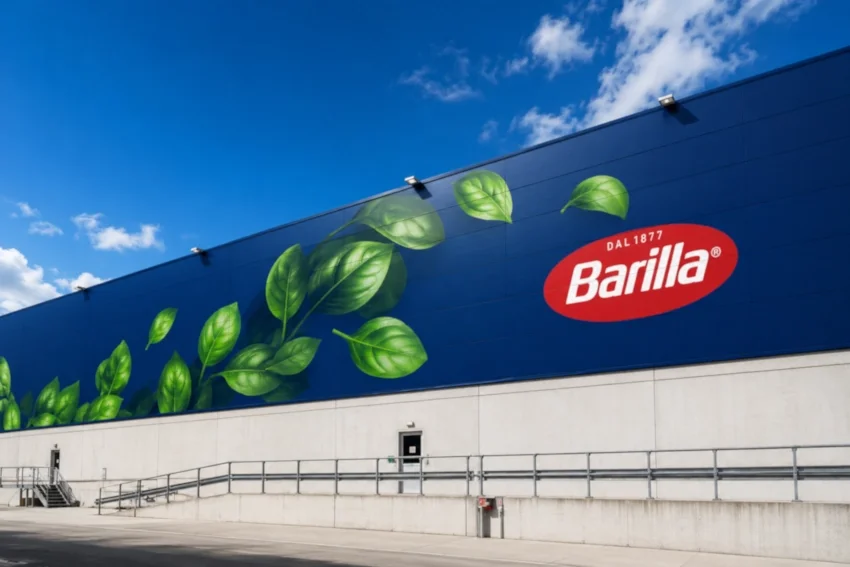
The company developed a highly recognizable visual identity through its iconic blue packaging, clean typography, and simple design structure. This consistent packaging style made Barilla products easy to identify in supermarkets around the world.
Barilla’s packaging communicated premium quality while maintaining a modern and approachable appearance. The company avoided overly complex designs and instead focused on clarity, elegance, and authenticity.
The packaging also reinforced Italian identity through imagery, language elements, and references to traditional cuisine. This helped international consumers immediately associate the brand with authentic Italian food.
Consistency across product lines strengthened overall brand recognition. Whether customers purchased pasta, sauces, or bakery items, the visual identity remained connected to the core Barilla brand experience.
In global food branding, strong packaging is essential because it directly influences customer perception at the point of purchase. Barilla successfully used packaging as a strategic branding tool to strengthen trust and visibility.
Expanding Into Global Markets
The Barilla branding journey expanded significantly as the company entered international markets.
Global expansion required more than simply exporting products. Barilla needed to adapt its marketing strategies while preserving its Italian identity.
The company invested heavily in distribution networks, retail partnerships, and localized marketing campaigns. At the same time, it maintained consistent global branding centered around quality and authenticity.
One of the company’s advantages was the growing international popularity of Italian cuisine. Pasta became increasingly popular worldwide due to its convenience, affordability, and versatility. Barilla positioned itself as a trusted provider of authentic Italian pasta products within this growing market.
The company also focused on educating consumers about Italian cooking traditions, pasta preparation, and meal experiences. This educational approach strengthened customer engagement while reinforcing brand authenticity.
As international demand for Italian food increased, Barilla successfully established itself as one of the leading pasta brands globally.
Innovation While Preserving Tradition
A key strength behind the pasta company success of Barilla was its ability to combine innovation with tradition.
While the company valued its heritage, it also adapted to changing consumer preferences and market trends. Barilla introduced healthier product options, whole grain pasta, gluten-free alternatives, and sustainability initiatives to meet evolving customer demands.
The company also invested in advanced manufacturing technology to improve efficiency and maintain product consistency across international markets.
Despite these innovations, Barilla carefully preserved its traditional identity. The brand continued emphasizing family meals, Italian culture, and authentic recipes in its messaging.
This balance between modernization and heritage helped Barilla remain relevant in competitive global markets without losing its core identity.
Sustainability and Corporate Responsibility
In recent years, sustainability became an increasingly important part of the Barilla marketing strategy.
Modern consumers are more aware of environmental and ethical concerns related to food production. Barilla responded by investing in sustainable agriculture, responsible sourcing, and environmentally friendly packaging initiatives.
The company also focused on reducing waste, improving energy efficiency, and supporting long-term food sustainability projects.
These efforts strengthened Barilla’s reputation as a responsible global brand while aligning with changing consumer expectations.
Corporate responsibility further enhanced customer trust and reinforced the emotional connection between the brand and its audience.
Challenges in the Competitive Food Industry
The global food industry is highly competitive, with numerous international and regional brands competing for customer attention.
Barilla faced challenges related to changing dietary trends, rising competition, and evolving consumer expectations. The company also needed to manage cultural differences while expanding internationally.
However, its strong brand identity, emotional storytelling, and consistent product quality helped maintain customer loyalty.
The company’s ability to adapt while preserving authenticity became one of its strongest competitive advantages.
Conclusion
The Barilla branding journey demonstrates how a traditional family business can achieve global success through authenticity, emotional storytelling, and consistent brand identity. By combining Italian heritage with modern marketing strategies, Barilla created one of the world’s most recognized food brands.
Its focus on quality, family values, and emotional customer connection helped the company build long-term trust across international markets. Through strong packaging design, cultural storytelling, and continuous innovation, Barilla successfully strengthened its position in the highly competitive food industry.
Today, Barilla remains a leading example of successful global food branding and a powerful symbol of authentic Italian cuisine. The company’s journey highlights the importance of preserving heritage while adapting to modern consumer expectations in a rapidly changing global marketplace.
