


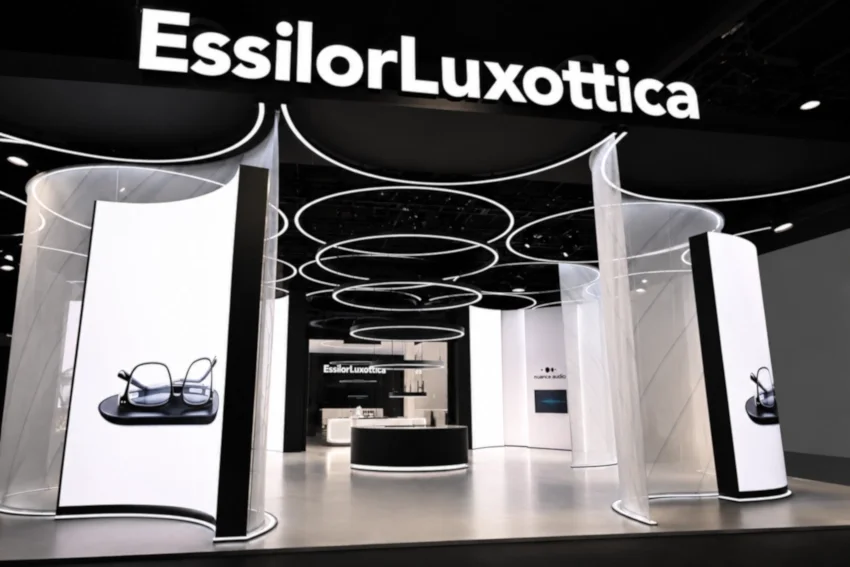
The Luxottica business strategy is widely considered one of the most successful examples of market dominance in the fashion and retail industries. Over several decades, Luxottica transformed itself from a small Italian eyewear manufacturer into one of the most powerful companies in the global optical market. Through strategic acquisitions, luxury brand partnerships, vertical integration, and international retail expansion, the company built unmatched influence across the worldwide eyewear sector.
Today, Luxottica controls a significant portion of the global eyewear industry, managing well-known eyewear brands, retail chains, and manufacturing operations. The company’s ability to combine fashion, luxury, retail, and manufacturing into a unified business model allowed it to achieve extraordinary market leadership.
The Luxottica growth story highlights how strategic decision-making, strong branding, and global expansion can create long-term competitive advantages in a highly fragmented market. This article explores the company’s rise, its luxury partnerships, retail strategy, acquisitions, and the factors behind its continued dominance in the eyewear industry.
The Early Foundation of Luxottica
Luxottica was founded in 1961 in Agordo, Italy, by Leonardo Del Vecchio. Initially, the company specialized in manufacturing small eyewear components for other businesses. Over time, Luxottica expanded into full-frame production and eventually launched its own eyewear collections.
The company recognized early that eyewear could become more than a medical necessity. It could also function as a fashion accessory connected to personal identity, luxury, and lifestyle. This insight became a major part of the future Luxottica business strategy.
During its early years, Luxottica focused heavily on product quality, manufacturing efficiency, and design innovation. Italy already had a strong global reputation for craftsmanship and luxury fashion, and Luxottica leveraged this national identity to strengthen its market positioning.
The company’s commitment to quality and design helped establish a strong foundation for future international expansion.
Understanding the Global Eyewear Industry
The global eyewear industry has evolved significantly over the past few decades. Eyewear products are no longer viewed only as functional medical tools. Glasses and sunglasses have become major fashion products influenced by celebrity culture, luxury branding, and lifestyle trends.
Luxottica understood this transformation earlier than many competitors. The company positioned itself at the intersection of healthcare, fashion, and luxury retail. This unique positioning allowed it to capture a wide customer base ranging from prescription eyewear users to luxury fashion consumers.
Another important factor was the growing global demand for premium eyewear brands. As disposable incomes increased worldwide, more consumers began purchasing designer eyewear products associated with status, style, and quality.
Luxottica strategically capitalized on this trend by developing partnerships with major fashion brands and expanding its retail presence internationally.
Luxury Partnerships and Brand Licensing
One of the most important elements of the Luxottica business strategy was its partnership model with luxury fashion companies.
Rather than competing directly against established luxury fashion houses, Luxottica collaborated with them through licensing agreements. The company designed, manufactured, and distributed eyewear products for major global fashion brands.
This approach created significant advantages. Fashion brands gained access to Luxottica’s manufacturing expertise and global distribution network, while Luxottica benefited from the strong brand recognition of luxury labels.
Through these partnerships, Luxottica became associated with some of the world’s most recognized luxury eyewear brands. Consumers purchasing designer eyewear often connected the products with premium fashion identity, further strengthening Luxottica’s market influence.
The licensing strategy also reduced marketing challenges because many partner brands already had strong global customer loyalty and brand awareness.
This business model helped Luxottica expand rapidly across international markets while maintaining premium product positioning.
Vertical Integration and Market Control
A major reason behind the company’s eyewear market leadership was its strong vertical integration strategy.
Luxottica controlled multiple stages of the eyewear value chain, including manufacturing, branding, distribution, wholesale operations, and retail stores. This integrated structure gave the company exceptional operational efficiency and market influence.
Instead of relying entirely on third-party retailers, Luxottica acquired and developed major optical retail chains. This allowed the company to directly control product presentation, pricing, customer experience, and inventory management.
Vertical integration also improved profit margins and strengthened the company’s ability to respond quickly to changing consumer trends.
By controlling both production and retail distribution, Luxottica created a powerful competitive advantage that many smaller eyewear companies struggled to match.
Strategic Acquisitions and Expansion
Acquisitions played a major role in the Luxottica growth journey.
The company strategically acquired eyewear brands, retail chains, and distribution businesses to expand its market share and global reach. Each acquisition strengthened Luxottica’s position within different areas of the eyewear industry.
One of the company’s most significant achievements was expanding its retail footprint internationally. Luxottica acquired major optical retail businesses in North America, Europe, and other global markets. These acquisitions helped the company establish direct access to millions of customers worldwide.
The company also expanded into prescription eyewear, sunglasses, and luxury fashion eyewear categories simultaneously, creating a diversified product portfolio.
Through careful acquisition planning, Luxottica transformed itself from a manufacturing company into a global eyewear powerhouse.
Building Strong Consumer Recognition
Another key factor behind the Luxottica business strategy was the company’s focus on brand visibility and consumer recognition.
Eyewear products are highly visual and closely connected with personal style. Luxottica understood the importance of creating aspirational products that consumers associated with fashion, luxury, and social status.
The company invested heavily in product design, premium branding, celebrity influence, and retail presentation. Stylish store environments and premium packaging helped reinforce luxury perceptions.
Luxottica also benefited from strong global demand for sunglasses and designer eyewear driven by fashion trends, media influence, and changing lifestyle preferences.
Its ability to connect eyewear products with emotional and lifestyle branding strengthened customer loyalty across multiple market segments.
International Retail Expansion
Retail expansion became one of the most powerful drivers behind Luxottica’s market dominance.
The company understood that controlling customer interaction points could significantly strengthen long-term brand influence. By operating its own retail stores and optical chains, Luxottica gained direct access to customer behavior, purchasing patterns, and market trends.
International retail operations also improved customer convenience and increased product accessibility across different countries.
This retail strategy supported both luxury and mass-market eyewear sales. Luxottica successfully served multiple customer segments while maintaining strong profitability.
The company’s extensive retail presence further strengthened its bargaining power within the global eyewear market.
Innovation and Product Development
Innovation also played a central role in the Luxottica growth story.
The company continuously invested in product development, advanced lens technology, manufacturing efficiency, and fashion-driven design innovation.
Consumer preferences in eyewear evolve rapidly, especially within fashion-oriented categories. Luxottica maintained relevance by regularly updating collections, collaborating with luxury brands, and responding to emerging style trends.
The company also focused on combining functionality with aesthetics. Modern consumers expect eyewear products to deliver comfort, durability, vision quality, and attractive design simultaneously.
By balancing fashion innovation with technical performance, Luxottica strengthened its position in both the medical and luxury eyewear markets.
Challenges and Industry Criticism
Despite its remarkable success, Luxottica also faced criticism related to market concentration and industry influence.
Because the company controls multiple brands, retail chains, and manufacturing operations, some critics argue that its dominance reduces competition within the eyewear industry.
The company also operates in a highly competitive and rapidly changing retail environment influenced by online shopping trends and direct-to-consumer eyewear startups.
However, Luxottica’s strong brand portfolio, global infrastructure, and retail network continue to provide significant competitive advantages.
Its ability to adapt to changing market conditions while maintaining premium positioning remains one of its greatest strengths.
Conclusion
The Luxottica business strategy demonstrates how strategic acquisitions, vertical integration, luxury partnerships, and global retail expansion can create extraordinary market dominance. By understanding the evolving relationship between fashion, luxury, and eyewear, Luxottica successfully transformed the global eyewear industry.
Its partnerships with major fashion brands, strong international retail presence, and focus on premium customer experiences helped establish long-term eyewear market leadership. Through continuous innovation and strategic growth planning, Luxottica became one of the most influential companies in the world of fashion and optical retail.
The Luxottica growth story highlights the importance of brand positioning, operational control, and strategic expansion in building a sustainable global business. Today, the company remains a leading force in the eyewear market and a powerful example of how integrated business strategies can reshape an entire industry.
