


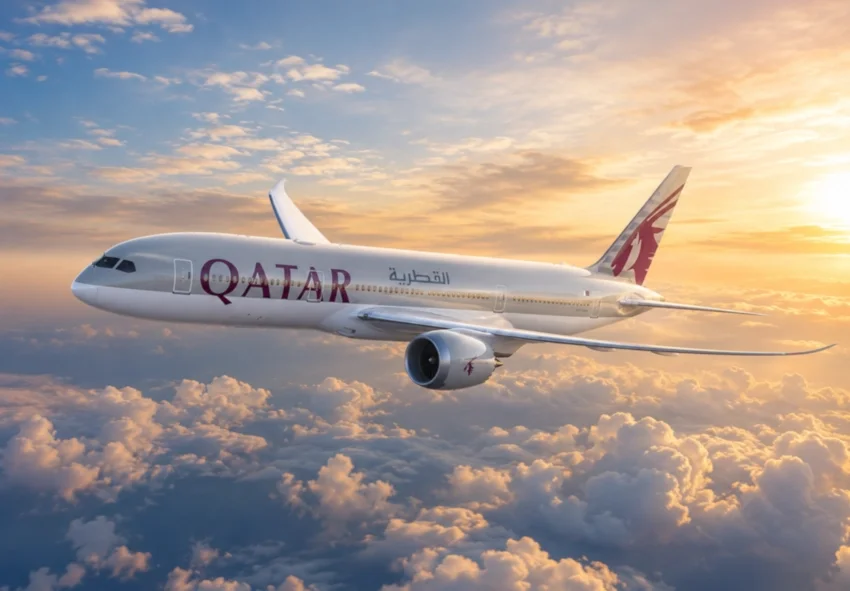
The Qatar Airways brand strategy is widely recognized as one of the most successful examples of luxury positioning in the global aviation industry. From a relatively small regional airline to one of the world’s most respected international carriers, Qatar Airways transformed itself into a premium global brand through exceptional customer service, innovation, and strategic international expansion.
In a highly competitive airline market where many companies compete mainly on pricing, Qatar Airways focused on delivering a superior travel experience. The airline positioned itself as a symbol of luxury, comfort, and reliability while consistently investing in modern aircraft, premium hospitality, and strong global partnerships.
Today, Qatar Airways is known worldwide for its high-quality in-flight experience, award-winning business class, and customer-focused operations. Its success demonstrates how strong branding and service excellence can help an airline compete with some of the largest aviation companies in the world.
This article explores the Qatar Airways brand strategy, its approach to luxury airline branding, customer experience innovation, global expansion, and the factors behind the remarkable Qatar Airways success story.
The Early Growth of Qatar Airways
Qatar Airways was established in 1993 and relaunched in 1997 with a clear vision to become a world-class international airline. At the time, the aviation industry was already dominated by major global carriers with extensive networks and strong brand recognition.
Rather than competing only on ticket prices, Qatar Airways focused on quality and long-term brand positioning. The airline aimed to create a premium travel experience that would appeal to both business and leisure travelers.
Its location in Doha also played a strategic role in its growth. Positioned between Europe, Asia, and Africa, Qatar became an ideal global transit hub for international travel routes. Qatar Airways used this geographic advantage to build a strong international network connecting passengers across multiple continents.
From the beginning, the airline emphasized service quality, operational efficiency, and luxury experiences. These factors became central to the long-term Qatar Airways brand strategy.
Building a Premium Airline Identity
One of the most important aspects of the airline’s growth was its commitment to luxury airline branding.
Qatar Airways carefully developed a premium image across every customer touchpoint. The airline focused on creating consistency in cabin design, staff presentation, airport lounges, in-flight entertainment, and hospitality standards.
The company understood that luxury branding is not only about expensive products. It is also about delivering a smooth, comfortable, and memorable customer journey. From booking flights to arriving at destinations, Qatar Airways aimed to maintain high service standards throughout the entire travel experience.
Its branding strategy combined elegance, professionalism, and modern innovation. The airline’s visual identity, advertising campaigns, uniforms, and premium lounges reinforced its image as a world-class luxury carrier.
This strong brand consistency helped Qatar Airways stand out in the crowded international aviation market.
Excellence in Airline Customer Experience
A major reason behind the Qatar Airways success story is its exceptional focus on airline customer experience.
The airline consistently invested in improving passenger comfort and satisfaction. Qatar Airways became known for spacious seating, advanced in-flight entertainment systems, high-quality meals, and personalized service.
Its award-winning business class product, Qsuite, significantly strengthened the airline’s luxury positioning. Qsuite introduced private suites with sliding doors, enhanced privacy, and flexible seating arrangements designed for both business and leisure travelers.
Cabin crew training also became a major competitive advantage. Qatar Airways invested heavily in hospitality standards to ensure passengers received professional and attentive service across all routes.
The airline understood that customer experience directly influences brand reputation and loyalty. Satisfied passengers often become repeat customers and brand advocates, helping strengthen global recognition through positive reviews and recommendations.
By consistently delivering premium experiences, Qatar Airways built trust among international travelers and maintained its reputation as a leading luxury airline.
Modern Fleet and Innovation Strategy
Innovation has played a central role in the Qatar Airways brand strategy.
The airline continuously invested in one of the world’s youngest and most modern aircraft fleets. Operating advanced aircraft such as the Boeing 787 Dreamliner and Airbus A350 allowed the airline to improve fuel efficiency, passenger comfort, and operational performance.
Modern aircraft also supported the airline’s luxury image by offering quieter cabins, improved air quality, and advanced onboard technology.
Qatar Airways further enhanced its competitive position by adopting digital innovation. Online booking systems, mobile applications, self-service airport technology, and personalized digital communication improved customer convenience and engagement.
Innovation extended beyond technology into service design as well. The airline regularly updated its premium cabin products, airport lounges, and entertainment systems to meet changing traveler expectations.
This focus on continuous improvement helped the company remain competitive in the rapidly evolving aviation industry.
Global Airline Marketing and Sponsorships
Another key factor behind the airline’s rise was its powerful global airline marketing strategy.
Qatar Airways invested heavily in international advertising campaigns that promoted luxury, connectivity, and global hospitality. The airline positioned itself as a premium carrier that connects travelers to destinations worldwide through superior service quality.
The company also built strong brand visibility through high-profile sports sponsorships and international partnerships. Sponsorship agreements with global sporting events and football clubs significantly increased international recognition.
By associating its brand with prestigious global events, Qatar Airways strengthened its premium image and expanded audience reach across different markets.
The airline’s marketing campaigns often focused on emotional storytelling, cultural connection, and travel experiences rather than simply promoting ticket prices. This strategy reinforced the brand’s luxury positioning and differentiated it from budget-focused competitors.
Strategic Partnerships and Alliance Networks
Partnerships played an essential role in the Qatar Airways success story.
The airline joined the Oneworld airline alliance, allowing it to expand its global network through code-sharing agreements and collaborative partnerships with major international carriers.
These partnerships improved connectivity for passengers while increasing operational efficiency. Travelers could access a wider range of destinations through seamless connections and shared loyalty programs.
Qatar Airways also formed strategic relationships with tourism boards, airports, and hospitality companies to strengthen its international market presence.
The airline understood that global aviation growth depends heavily on connectivity and collaboration. By building strong alliances, Qatar Airways expanded its influence far beyond its home market.
Competing in a Challenging Aviation Industry
The aviation industry is highly competitive and influenced by fuel costs, economic conditions, global crises, and changing consumer behavior. Despite these challenges, Qatar Airways maintained a strong premium position.
One major advantage was its ability to remain focused on long-term brand value rather than short-term price competition. While many airlines reduced service quality to lower costs, Qatar Airways continued investing in customer experience and luxury branding.
The airline also demonstrated resilience during global disruptions by adapting operations, strengthening cargo services, and maintaining international connectivity.
Its commitment to quality helped preserve customer trust even during difficult market conditions.
The Role of Doha as a Global Hub
Doha became a central part of the airline’s global strategy.
Hamad International Airport was designed to support Qatar Airways’ premium positioning with luxury lounges, modern facilities, and efficient transit experiences. The airport itself became an extension of the airline’s brand identity.
By transforming Doha into a major international transit hub, Qatar Airways increased passenger traffic and strengthened its role in global aviation networks.
This hub strategy allowed the airline to efficiently connect travelers between Europe, Asia, Africa, and the Americas.
Conclusion
The Qatar Airways brand strategy demonstrates how consistent service quality, innovation, and luxury positioning can create a globally respected airline brand. Through exceptional airline customer experience, modern aircraft investment, strong international partnerships, and strategic marketing, Qatar Airways successfully built a premium identity in one of the world’s most competitive industries.
Its focus on luxury airline branding allowed the company to differentiate itself from competitors while attracting loyal international travelers. By combining hospitality, operational excellence, and global connectivity, Qatar Airways transformed from a regional carrier into one of the most recognized names in aviation.
The Qatar Airways success story highlights the importance of long-term brand building, customer trust, and continuous innovation in achieving sustainable global growth. As the aviation industry continues evolving, Qatar Airways remains a powerful example of how premium experiences and strong branding can drive international business success.
